
Investing in solar, battery etc can be a fantastic move that can make you money, save the planet AND give you more energy independence. Now THIS is the future we were promised! …But is it for everyone? And where do you start!?
The short answer is no, solar isn’t suitable for everyone. And if you’re wondering where to start… you just did. Keep reading.
Most people know photovoltaic “solar” panels can save the planet. Duh. Less obvious are some of the other amazing benefits of solar panels. They can extend the life of a roof, add equity to a home, turn a useless piece of real estate (your roof) into a money-saving asset that outperforms most stocks (with virtually no risk). Solar panels can give you more energy independence and security during blackouts (power outages) when paired with home battery backup, and make the whole grid more efficient as well. I hear solar can also fold your laundry but I haven’t verified that.
But even if you are totally onboard and perfectly poised to benefit from solar, it IS a construction project, permits and all. Thus, the decision to go solar and/or get battery backup requires careful consideration, especially in which professional help you enlist. Sound daunting? Below are some of the most important questions you can ask to help ensure your solar install is an experience that makes your life better.
License and Permits
Photovoltaic installation involves electrical work, among other things, so it makes sense that installers are generally required to have a license and permit before they can install solar panels on anyone’s property. Your state probably has an easily accessible database where you can verify your contractor’s info. In Oregon, for instance, contractors can be looked up by name or license number via the Oregon Building Codes Division search tool.
You CAN install your own panels (and even claim some of the financial incentives for your installation) if you have the tools, skills, knowhow, patience to navigate bureaucracy, etc. This can save you a nice chunk of money… unless you fall off your roof, burn your house down, get electrocuted, etc. It isn’t rocket science, but the stakes are high, and the peace of mind of having a professionally-installed, backed and insured installation far outweighs the savings for most people. If you’re one of them, ask your installer if they have all the necessary licenses and permits before hiring them.
Insurance and Bonding
Any contractor who is licensed and permitted for construction should also be covered by insurance and a bond in case anything goes wrong, and you don’t want to learn the importance of this the hard way like yours truly did. Ask the installer if they have liability insurance and worker’s compensation insurance. Also verify that they are bonded and for how much before hiring anyone to work on your home.
Insurance protects you in case of any accidents or damage that may occur during the installation process. A bond is a form of insurance that protects you in case the installer fails to complete the job according to the agreed-upon terms. The amount of a bond can vary, so you will want to ensure that their bond is enough to cover not just YOUR project but possibly even other liabilities. When verifying their professional status with your municipality, you should also be able to see the amount of their bond and whether there are any existing claims against it. If there are, walk away, because A) a legit claim doesn’t bode well for your project, and B) any claimant ahead of you could eat up the entire bond, leaving nothing to cover you. Sound awful? I’ve been there and it is. Congrats on dodging that one!

Experience & Reputation
The oldest form of insurance is still one of the best. A good reputation shows that a business has been around, does quality work, and cares about being around in the future. Don’t obsess too much over a few bad online reviews, but do look around. And with a construction project of this size, it’s a good idea (and perfectly acceptable) to ask the installer if they can provide references and examples of past work. This information will help you assess the quality of their work and determine if they are a good fit for your project.
Financial Incentives
Missing out on tax incentives like the Clean Energy Tax Credit, state credits, municipal and utility credits can leave a LOT of money on the table. And sure, we all love the planet and want it to be as lush and bountiful and possible, but to be quite blunt, there might be better ways for you to show mama earth your love. If that’s the case for you, then there are only a few reasons to go solar. One is to arm yourself with a home power system that can weather a storm. Whether you have medical equipment to run, a fridge full of food you don’t want to lose, or something else, this is a powerful reason. But the other main reason to invest in a home power system is, well, to invest. Tax incentives and utility savings can be HUGE. Aside from getting into the weeds to learn about incentives yourself, your best allies in maximizing the financial side of solar, battery, wind and other clean energy system components are your installer and an accountant. And we recommend both, because we’re often talking about tens of thousands of dollars in savings.
Hardware Options, Warranty and Maintenance
Solar panels are generally very robust and the installation process is fairly straightforward. A solar installation can outlive the average roof (while even extending their life). As with anything, though, defects in a part or the installation do come up. You want to work with an installer who offers a warranty on their workmanship, and who install equipment with a warranty that you find acceptable. Ten years is the bare minimum for quality panels, while some warranties promise that the panels will be around and for at least 25 years with a minimal decline in production. Inverters are even more critical, especially with a battery backup system, so get the details and compare it to what else is out there. Inquire about their warranty period, what it covers and how to make a claim if necessary. Also ask WHY the company offers the options they do.
Also, ask about the maintenance requirements of the solar panels and if the installer provides maintenance services. Solar panels are almost “set it and forget it” but they do require cleaning on occasion, depending on how dirty their environment is. Modern home power systems also allow for 24-7 remote monitoring, letting someone know if anything goes wrong with your system, possibly even before you notice anything. Not every installation comes with this, so be sure to enquire if this is something you’re interested in.
Installation Process
Ask the installer to explain their installation process, including the timeline, any potential challenges they may encounter and whether you’ll have a dedicated point of contact throughout the process. This information will help you understand what to expect during the installation, and if you need to make any preparations before the installation day. Installation itself usually takes only a day or two. Engineering and permitting might take weeks or months depending on your local bureaucrats, but most of that fun stuff will be handled by your consultant and installer.
Core Competency
Like other construction projects, solar installation isn’t rocket science, but the details DO make a big difference. Any idiot can hoist a solar panel onto your roof, but to make it last decades without unforeseen failures in the roof or any solar components takes expertise. It’s not a deal-killer if your solar installer is primarily a roofing company, but you should feel confident that they take the craft of assembling a robust and functional home power system seriously.
Financing Options
Despite being a net positive financial decision for most people who choose solar, the up-front cost is not trivial, and not everyone can afford to pay that upfront. Ask the installer if they offer financing options, such as leasing or loans, to help you pay for the installation.
Hardware Type and EfficiencyThere’s an incredible amount of energy in sunlight, and solar panels have advanced to the point that some can convert upwards of 20% of their input solar energy into electricity. Inverter efficiency is equally impressive and at least as important. Some inverter models rate around 80 percent efficient, while the best surpass 90 percent. Of course there are other factors to consider, too, such as longevity, functionality, budget, etc. Ask installers (or your consultant) about the efficiency of their hardware options, how they compare to the market, and the cost-benefit analysis of that hardware choice.
Solar Panel Placement
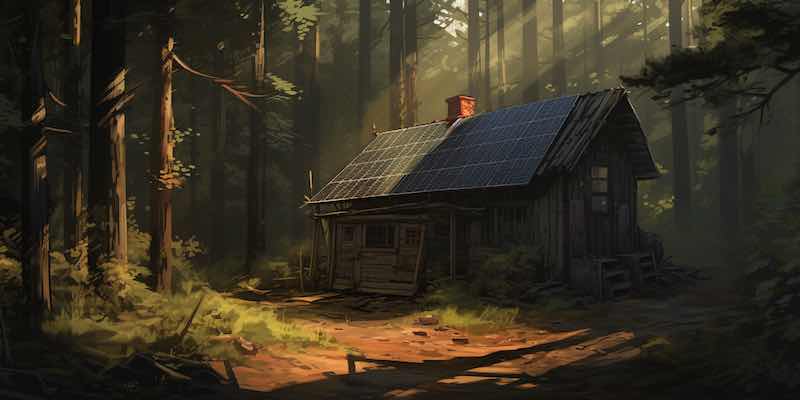
Solar panels need somewhere sunny to do their job. A useless rooftop? Ground-mount? A custom-built solar carport? The placement of the panels affects their efficiency and the amount of energy they can generate. A solar consultant will have already figured this out for you, but a solar installer can definitely also assess your property and recommend the best location for the panels to maximize their efficiency.
Energy Storage
The ability to store the excess energy generated by the solar panels is a luxury for those who just want to weather storms in style, and an absolute necessity for someone with medical or other critical equipment that needs to stay on during a blackout. Ask the installer if they offer energy storage solutions and how they work.
Installation CostYour installer or consultant should absolutely be able to give you a detailed breakdown of the solar installation cost, including the cost of the panels, labor, permits, and other expenses, as well as rebates and incentives that you might qualify for (ask an accountant or review the IRS rules). This information will help you determine if the installation cost fits your budget.
CONCLUSION
Investing in solar energy is a potentially excellent decision that requires careful consideration of various factors. Congrats on taking the first step in a rewarding process. Remember to take your time, do your research, and choose professional help and you’ll do fine!
There’s a lot to know about the ever-changing world of solar panels, inverters, batteries, financial incentives, etc. A trusted consultant can help you sort through the countless hardware options, walk you through permitting, and connect you to vetted installation companies. Home Power Inc works with multiple established, reputable companies across the West (and beyond) who offer lasting customer support and power production guarantees. So if you’re in the market to go solar, we can help connect you to a knowledgable pro who can guide you through the process. Just know that good companies have a waiting list, so if you want to start saving money, saving the planet and increasing your energy independence, we recommend getting the ball rolling ASAP.


